The IBJJF maintains a comprehensive matrix of illegal techniques organized by division. A technique that is legal for a brown belt adult may be illegal for a white belt or a juvenile competitor. Applying a hold prohibited for the athlete’s division is classified as a severe foul (Article 6.2.3 M), resulting in immediate disqualification.
Note: The descriptions below are editorial summaries to help understand each technique. They are not part of the official IBJJF rulebook text.
Division Columns
The illegal techniques table uses 6 division columns representing progressively less restrictive rulesets:
| Column | Description |
|---|---|
| 4-12 yrs | Ages 4 to 12 (Mighty Mite I through Junior III divisions) |
| 13-15 yrs | Ages 13 to 15 (Teen I through Teen III divisions) |
| 16-17 / White | Juveniles (16-17, all ranks) and Adult to Master 7 White Belts |
| Blue / Purple | Adult to Master 7, Blue and Purple Belts |
| Brn/Blk Gi | Adult to Master 7, Brown and Black Belts (Gi only) |
| Brn/Blk NoGi | Adult Brown and Black Belts (No-Gi only) |
A red dot in the table means the technique is illegal in that division.
Complete Illegal Techniques List
The following illegal technique photos (technique-068 through technique-095) are from the official IBJJF Rules Book (pages 30-31). Each numbered image corresponds to a technique in the list below.
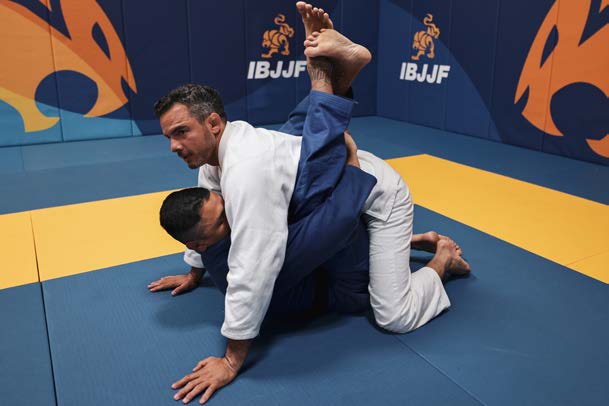
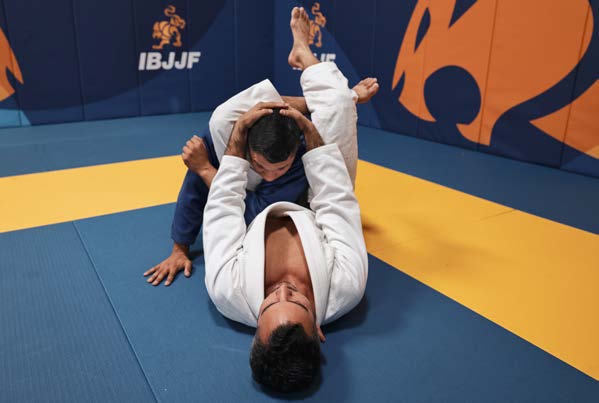
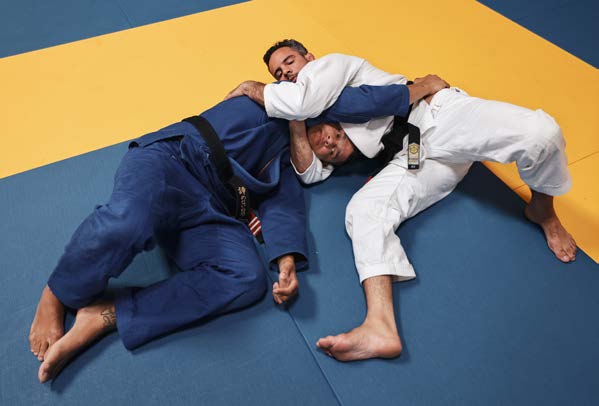
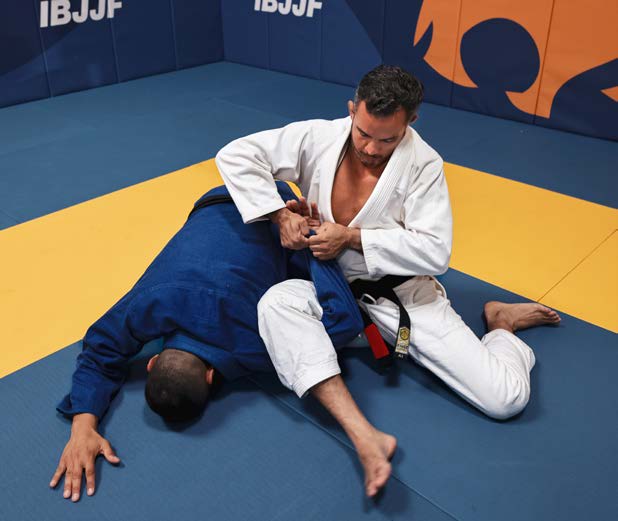
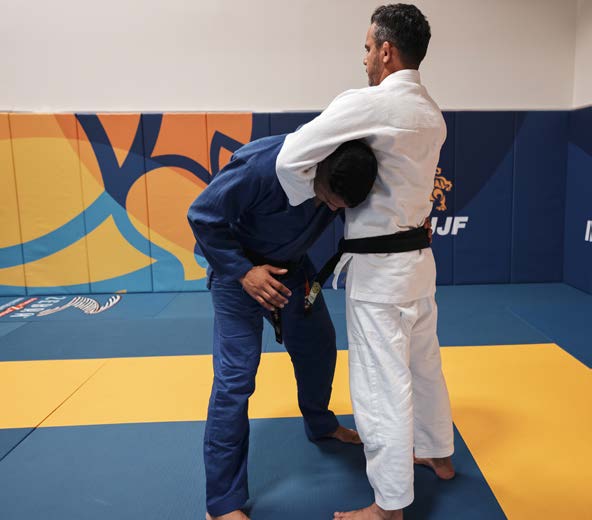
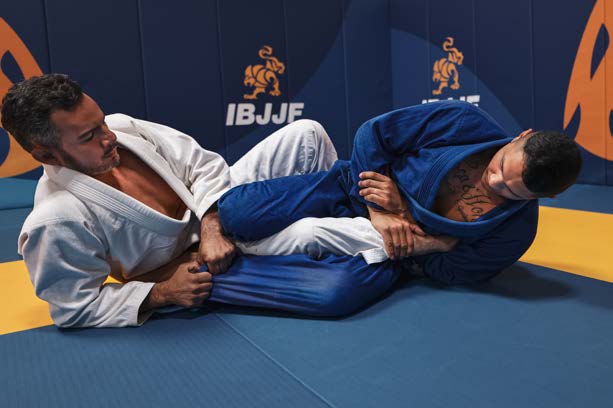
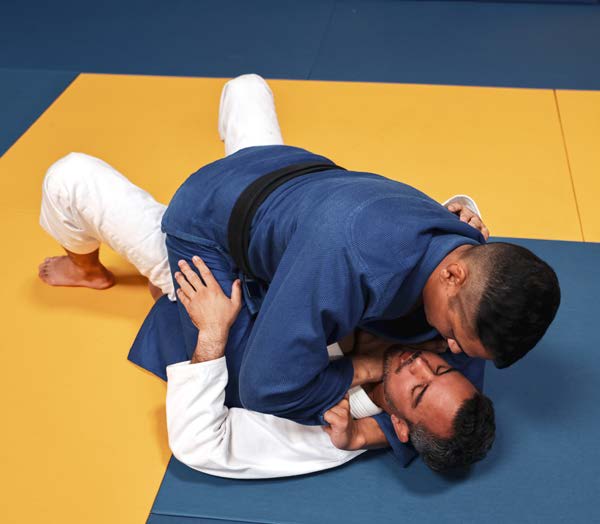
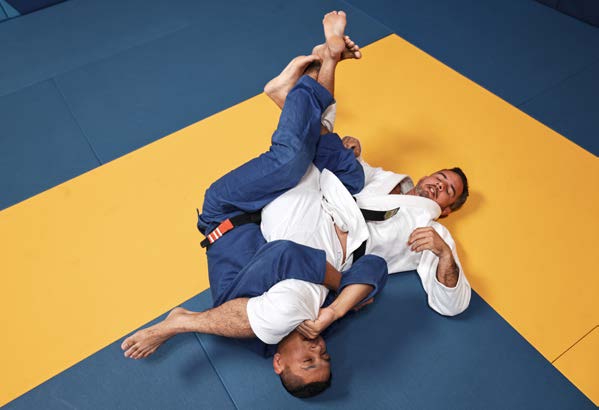
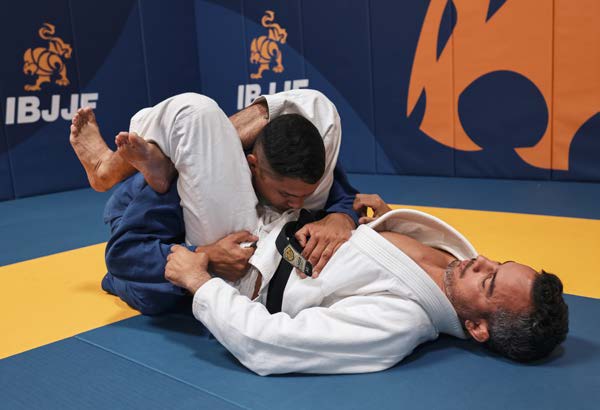
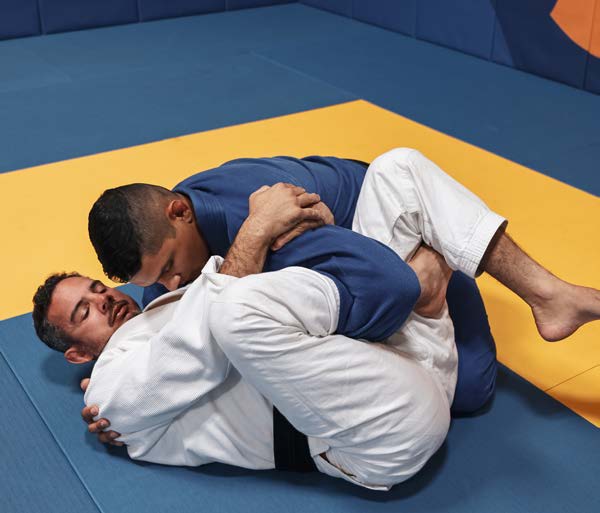
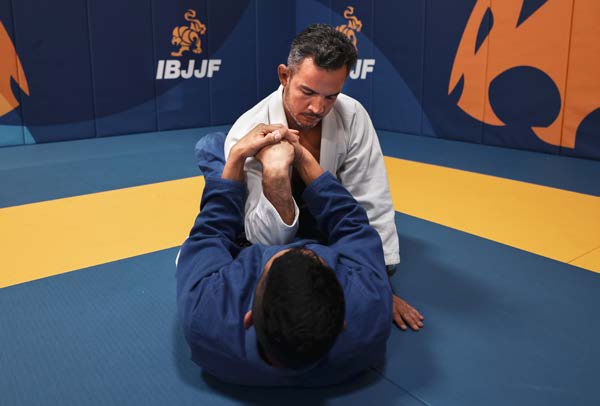
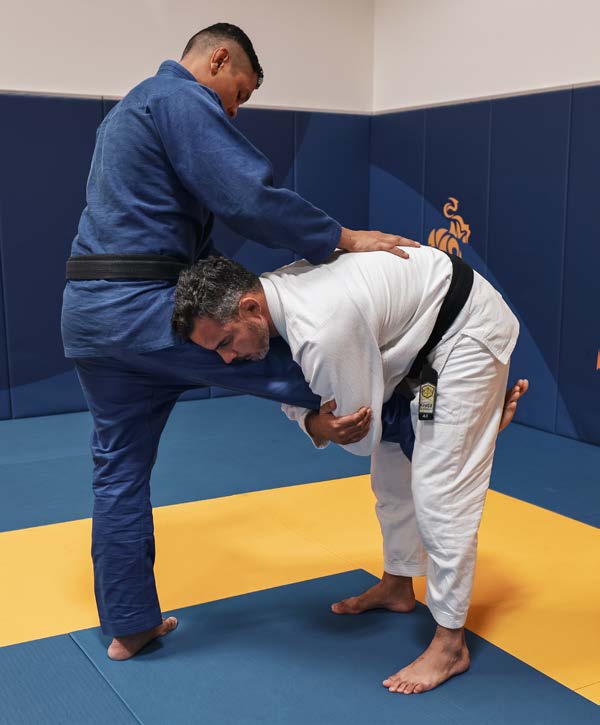
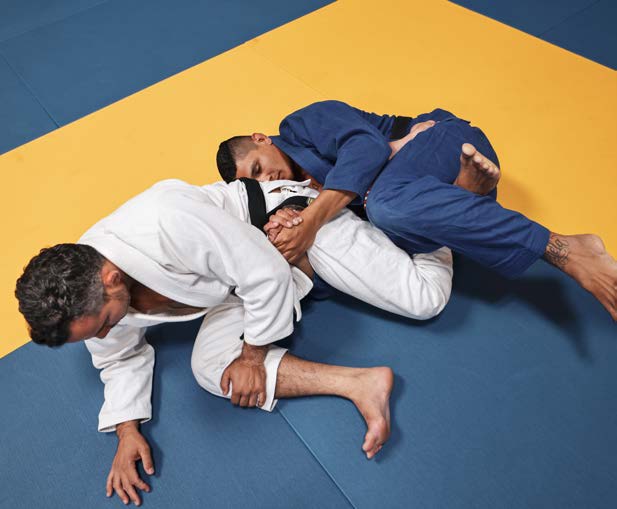
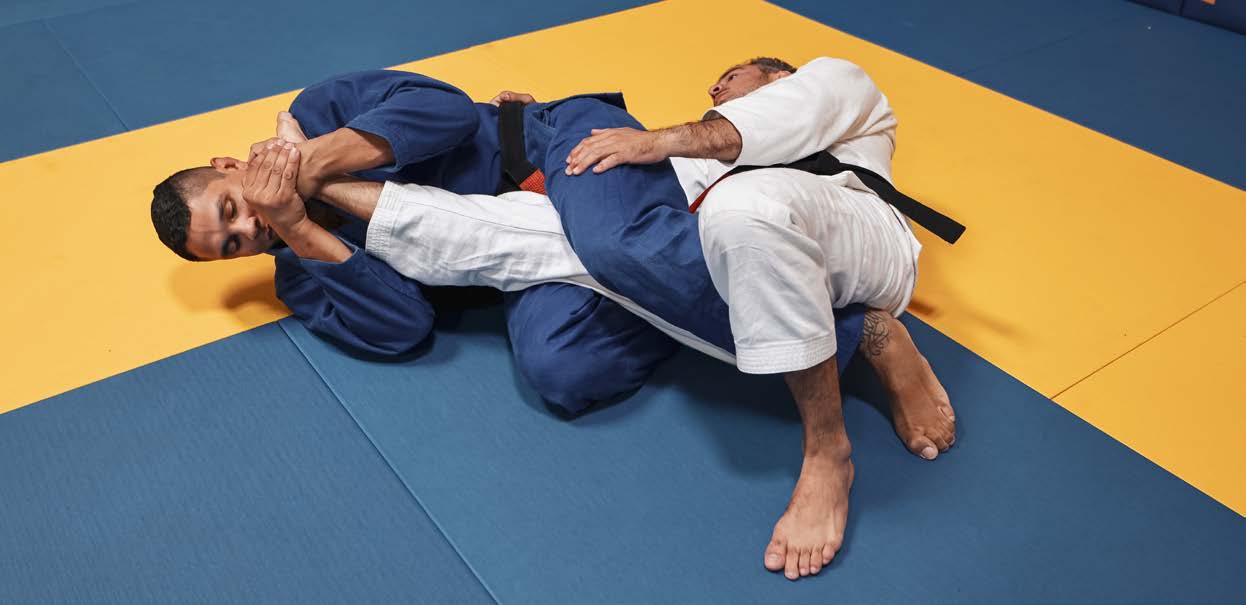
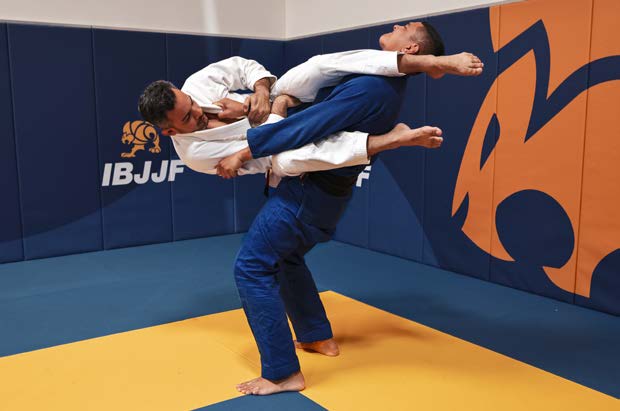
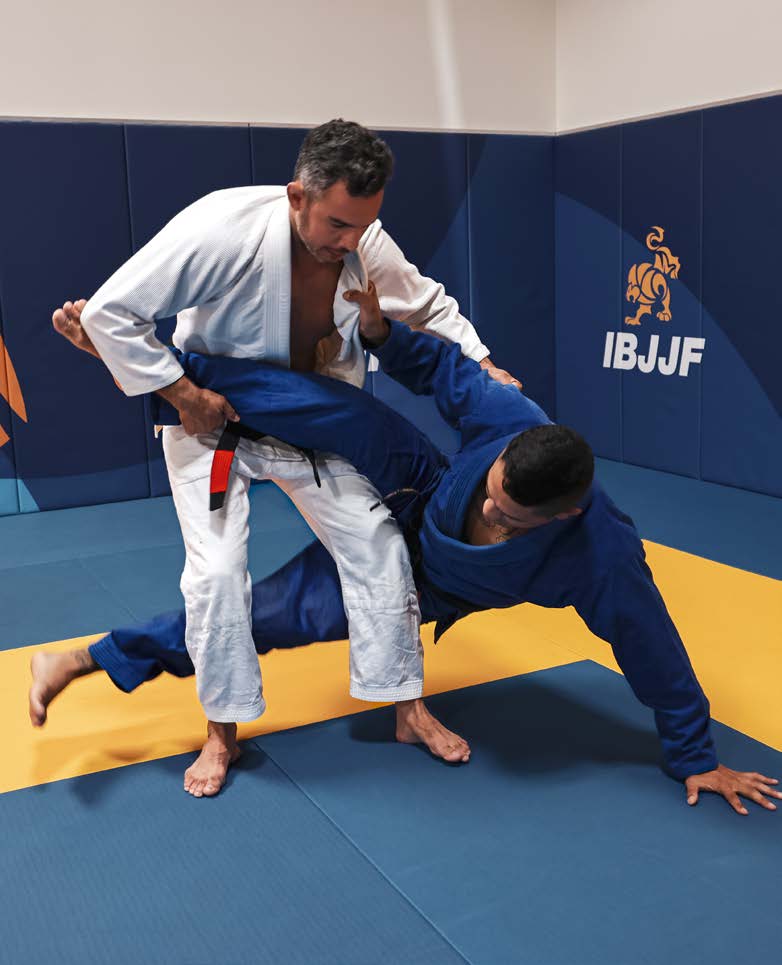
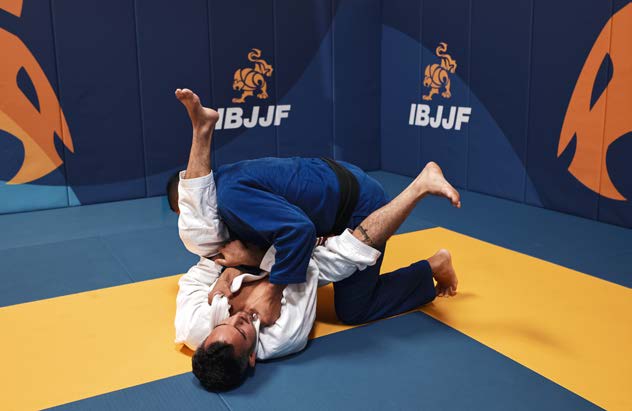
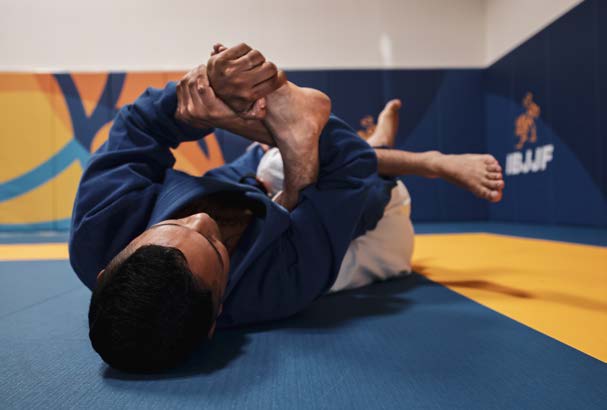
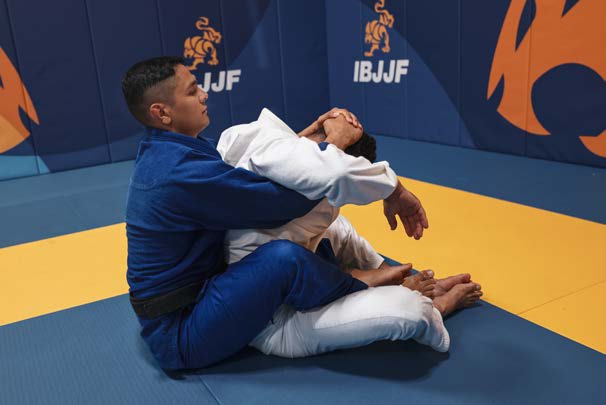
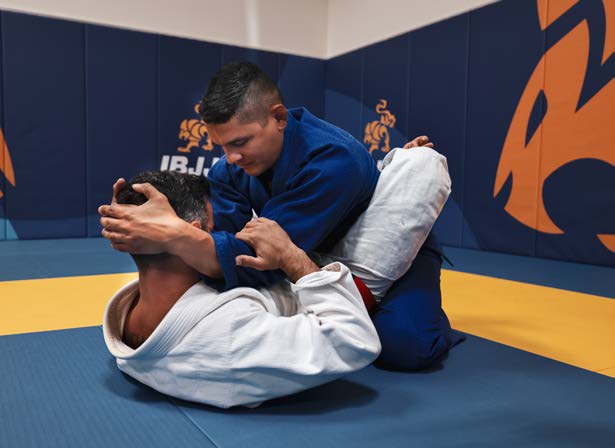
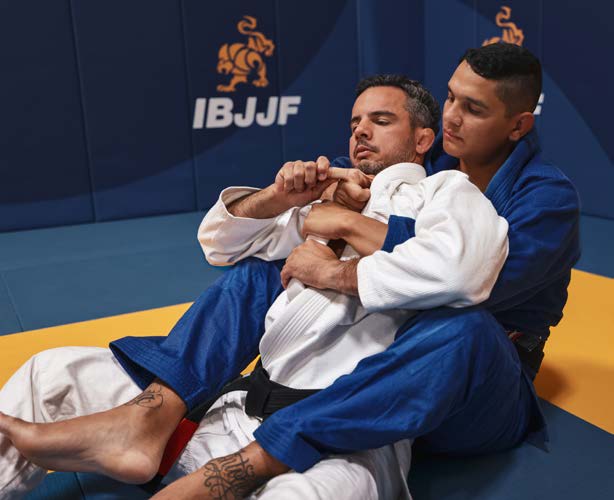
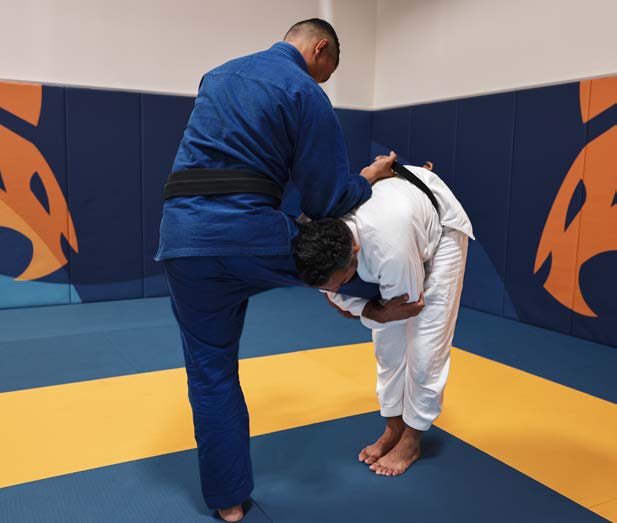
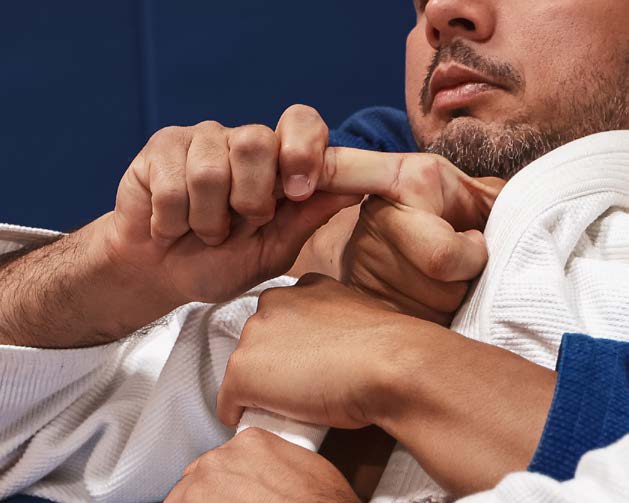
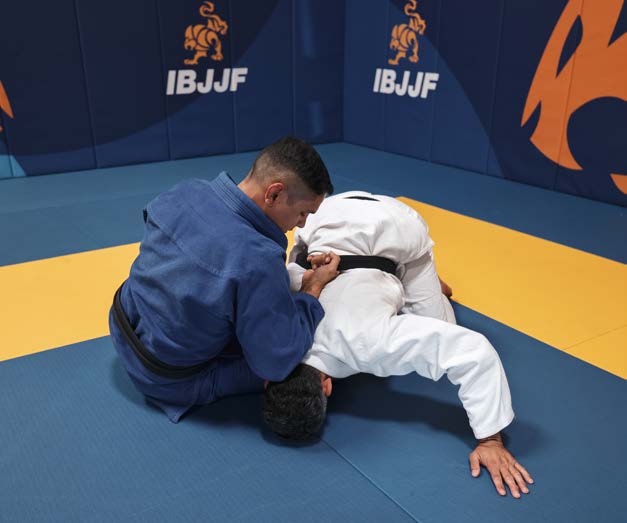
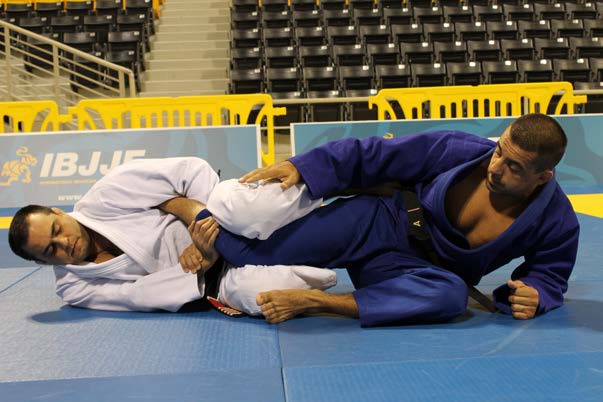
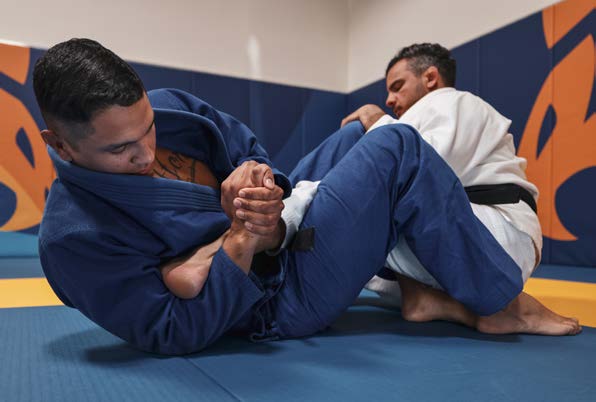
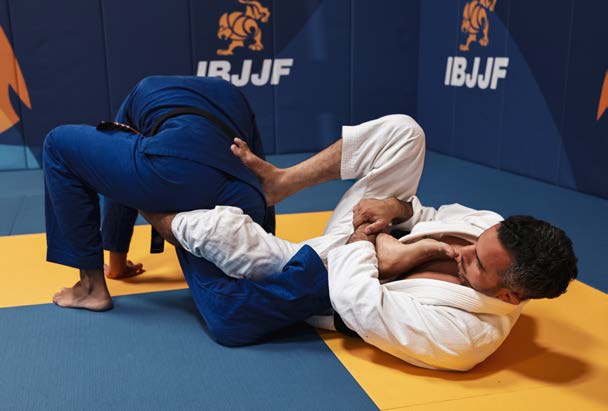
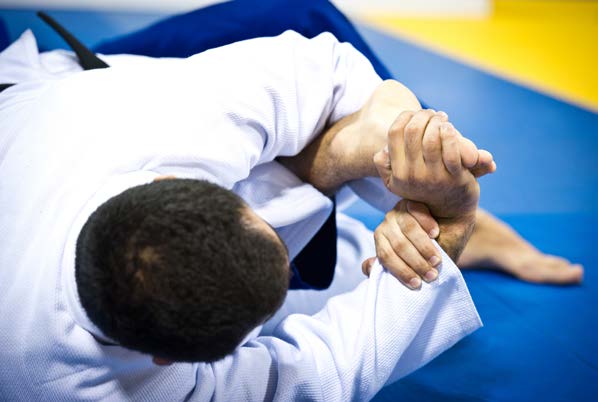
1. Submission techniques stretching legs apart
Illegal in: 4-12 yrs only
Any submission that works by forcing the opponent’s legs apart (e.g., banana split / electric chair variations when used as a submission targeting the groin area).
2. Choke with spinal lock
Illegal in: 4-12 yrs, 13-15 yrs
A choke combined with a spinal lock, such as a twisting neck crank applied simultaneously with a choking technique.
3. Straight foot lock
Illegal in: 4-12 yrs, 13-15 yrs
The standard straight ankle lock (aka Botinha). Involves controlling the opponent’s foot in the armpit and extending the hips to apply pressure on the ankle.
4. Forearm choke using the sleeve (Ezequiel choke)
Illegal in: 4-12 yrs, 13-15 yrs
The Ezequiel choke, performed by threading one hand through the gi sleeve and using the forearm/wrist to apply choking pressure across the opponent’s throat.
5. Frontal guillotine choke
Illegal in: 4-12 yrs, 13-15 yrs
A guillotine choke applied from the front, wrapping the arm around the opponent’s neck and squeezing.
6. Omoplata
Illegal in: 4-12 yrs, 13-15 yrs
A shoulder lock applied by placing the leg over the opponent’s shoulder and using hip rotation to apply pressure to the shoulder joint.
7. Triangle (pulling head)
Illegal in: 4-12 yrs, 13-15 yrs
A triangle choke where the athlete actively pulls the opponent’s head downward. The pulling-head component is what makes this illegal in younger divisions.
8. Arm triangle
Illegal in: 4-12 yrs, 13-15 yrs
A choking technique that uses the opponent’s own arm against their neck in combination with the attacker’s arm or leg (e.g., kata-gatame, head-and-arm choke).
9. Lock inside closed guard with legs compressing kidneys or ribs
Illegal in: 4-12 yrs, 13-15 yrs, 16-17/White
A body compression applied from closed guard by squeezing the legs to compress the opponent’s kidneys or ribs as a submission.
10. Wrist lock
Illegal in: 4-12 yrs, 13-15 yrs, 16-17/White
Any submission that applies twisting or bending pressure to the wrist joint.
11. Single-leg takedown with head outside opponent’s body
Illegal in: 4-12 yrs, 13-15 yrs, 16-17/White
A single-leg takedown where the attacking athlete has their head on the outside of the opponent’s body. This applies by attempt to takedown or any other move coming from the ground, with the athletes on their knees or with a sweep motion.
Important note: Although it is a prohibited technique, the athlete will not be penalized.
12. Bicep slicer
Illegal in: 4-12 yrs, 13-15 yrs, 16-17/White, Blue/Purple
A compression lock applied against the bicep, typically by folding the opponent’s arm and applying pressure with the shin or forearm against the inside of the elbow.
13. Calf slicer
Illegal in: 4-12 yrs, 13-15 yrs, 16-17/White, Blue/Purple
A compression lock against the calf muscle, typically applied by trapping the opponent’s leg and using the shin to compress the calf against the thigh bone.
14. Knee bar
Illegal in: 4-12 yrs, 13-15 yrs, 16-17/White, Blue/Purple
A leg lock that hyperextends the knee joint, applied similarly to an armbar but targeting the leg.
15. Toe hold
Illegal in: 4-12 yrs, 13-15 yrs, 16-17/White, Blue/Purple
A foot lock applied by gripping the foot and twisting/rotating it, applying pressure to the ankle and knee.
16. In straight foot lock, turning in the direction of foot not under attack
Illegal in: 4-12 yrs, 13-15 yrs, 16-17/White, Blue/Purple
When applying a straight foot lock, turning or rotating toward the direction of the foot that is not being attacked. This turning motion can apply dangerous lateral pressure to the knee.
17. Heel hook
Illegal in: 4-12 yrs, 13-15 yrs, 16-17/White, Blue/Purple, Brn/Blk Gi
A leg submission that involves controlling the opponent’s leg and twisting the heel, applying rotational force to the knee. Legal only in No-Gi brown and black belt divisions.
18. Locks twisting the knees
Illegal in: 4-12 yrs, 13-15 yrs, 16-17/White, Blue/Purple, Brn/Blk Gi
Any submission that applies twisting/rotational force directly to the knee joint (beyond what occurs in standard leg locks). Legal only in No-Gi brown and black belt.
19. Knee reaping
Illegal in: 4-12 yrs, 13-15 yrs, 16-17/White, Blue/Purple, Brn/Blk Gi
See detailed definition below. Legal only in No-Gi brown and black belt divisions.
20. In toe hold, applying outward pressure on the foot
Illegal in: 4-12 yrs, 13-15 yrs, 16-17/White, Blue/Purple, Brn/Blk Gi
When applying a toe hold, directing the pressure outward on the foot rather than inward. This outward pressure creates dangerous rotational force on the knee. Legal only in No-Gi brown and black belt.
21. Slam
Illegal in: 4-12 yrs, 13-15 yrs, 16-17/White, Blue/Purple, Brn/Blk Gi, Brn/Blk NoGi
Lifting and forcefully throwing an opponent to the ground. Illegal in all divisions.
22. Spinal lock without choke
Illegal in: 4-12 yrs, 13-15 yrs, 16-17/White, Blue/Purple, Brn/Blk Gi
A neck crank or spinal lock applied without an accompanying choke (e.g., can opener, twister when applied as a spinal crank). Legal only in No-Gi brown and black belt.
23. Scissor takedown
Illegal in: 4-12 yrs, 13-15 yrs, 16-17/White, Blue/Purple, Brn/Blk Gi
A takedown performed by jumping and scissoring the legs around the opponent’s legs (kani basami). Due to the high risk of knee injury. Legal only in No-Gi brown and black belt.
24. Bending fingers backwards
Illegal in: 4-12 yrs, 13-15 yrs, 16-17/White, Blue/Purple, Brn/Blk Gi
Deliberately grabbing and bending the opponent’s fingers backwards. Legal only in No-Gi brown and black belt.
25. Grab opponent’s belt and throw head-first (defending single-leg)
Illegal in: 4-12 yrs, 13-15 yrs, 16-17/White, Blue/Purple, Brn/Blk Gi, Brn/Blk NoGi
When defending a single-leg situation while the attacker’s head is on the outside of the body, grabbing the opponent’s belt and projecting them head-first to the floor. Illegal in all divisions.
26. Suplex takedown (landing on head or neck)
Illegal in: 4-12 yrs, 13-15 yrs, 16-17/White, Blue/Purple, Brn/Blk Gi, Brn/Blk NoGi
A suplex takedown technique where the opponent lands on their head or neck. Illegal in all divisions.
Note: The suplex takedown is defined by the attacking athlete lifting the opponent at the waist to take them down by throwing them backwards or sideways. This technique is still permitted provided that the movement does not force the opponent’s head or neck into the ground.
Knee Reaping — Detailed Definition
The following images (reap-096 through reap-112) illustrate the knee reaping definition from the official IBJJF Rules Book (pages 32-33).
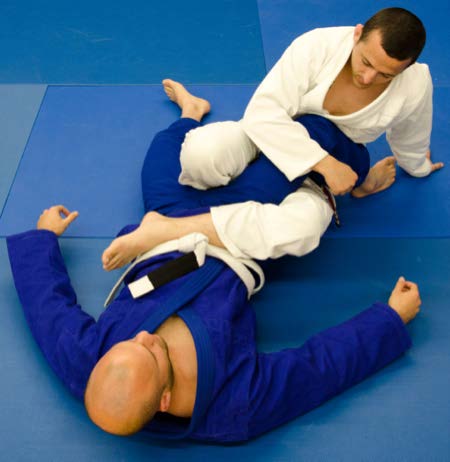
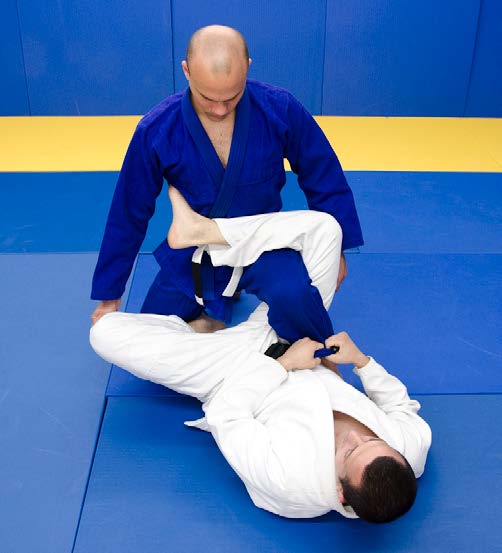
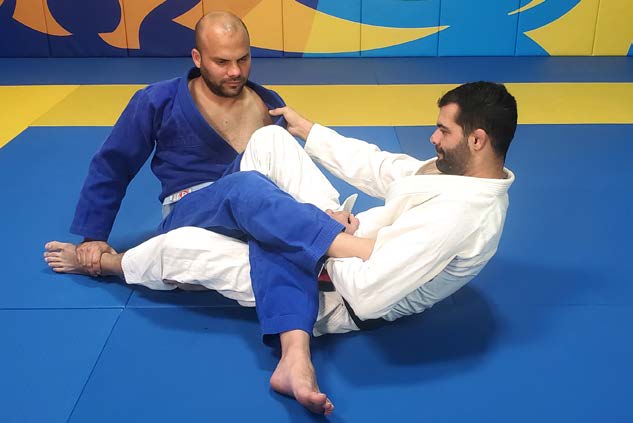
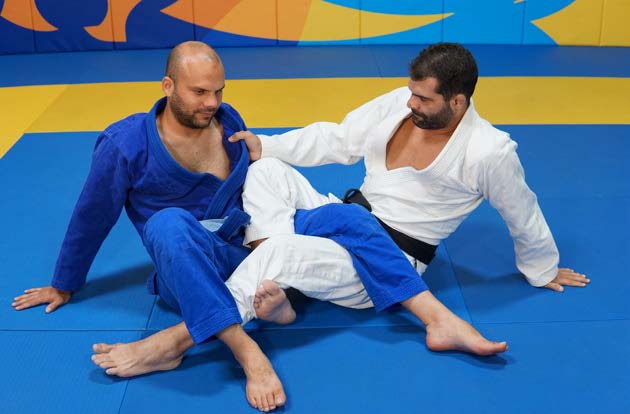
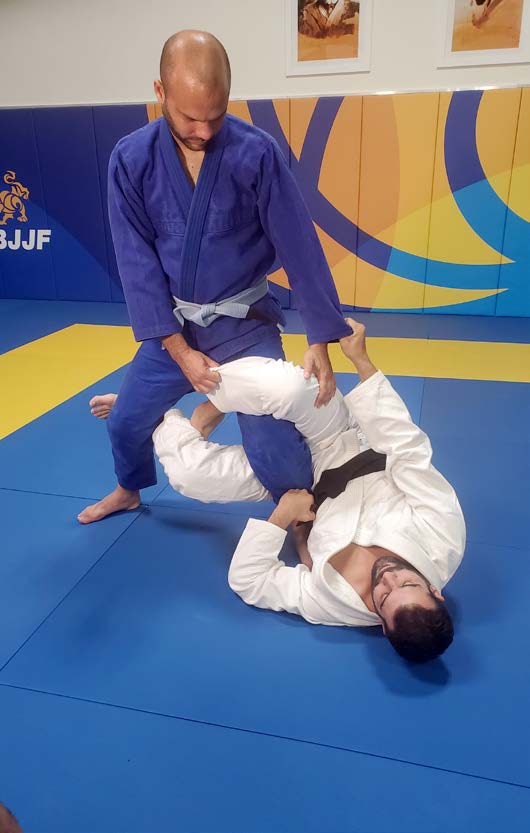
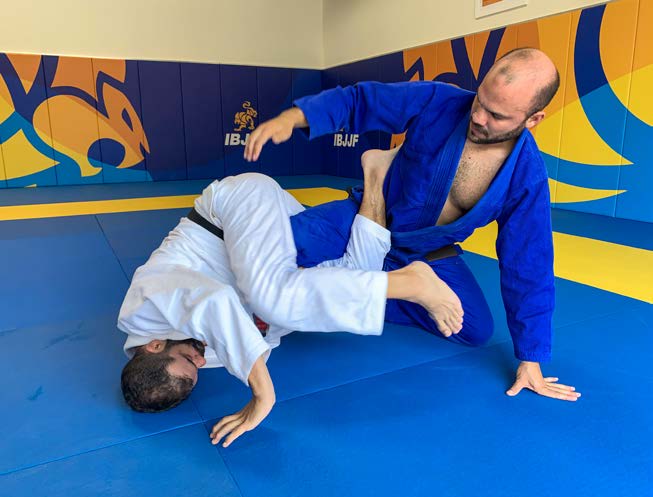
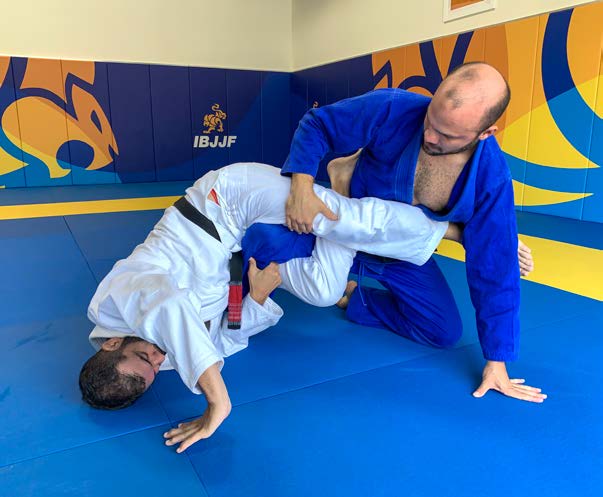
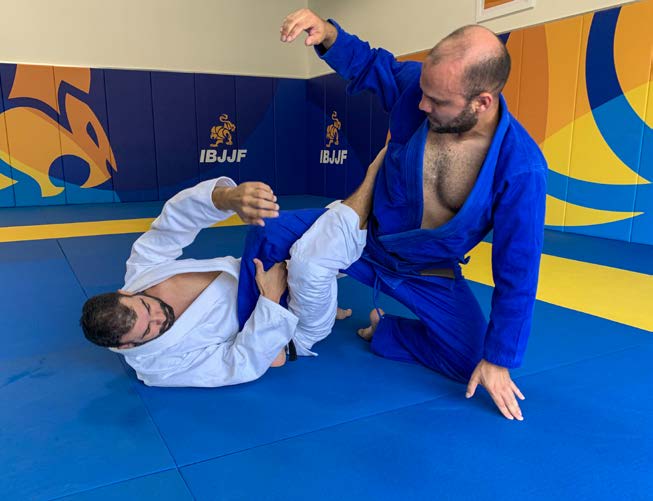
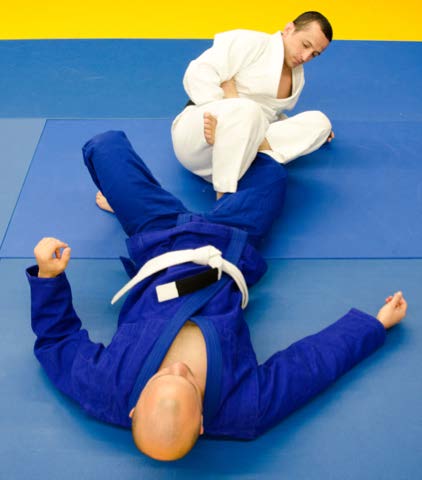
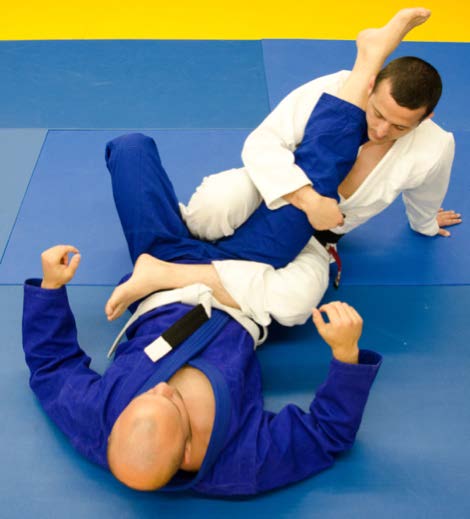
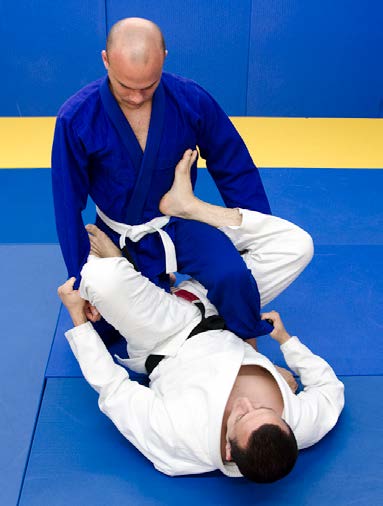
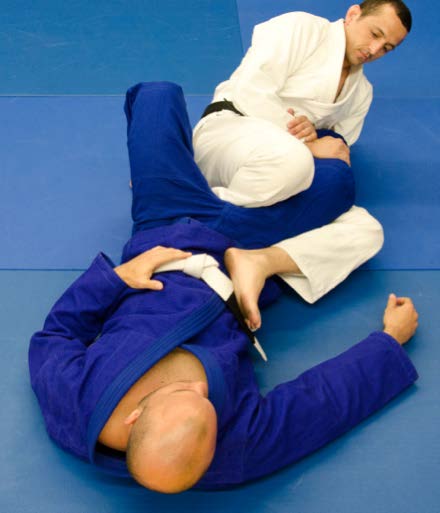
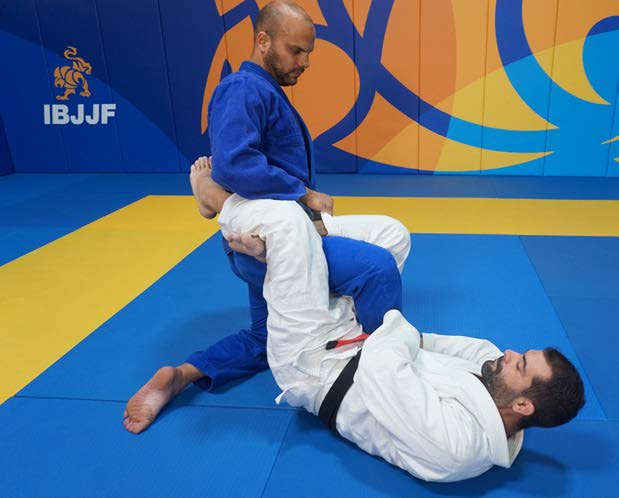
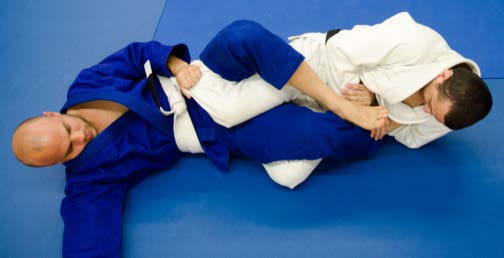
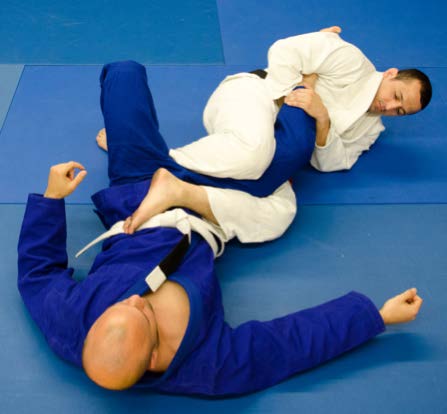
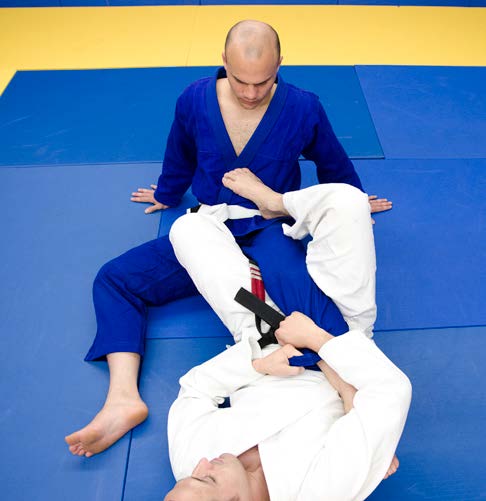
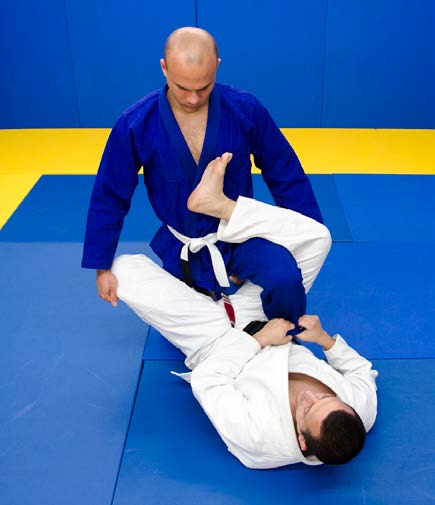
Knee reaping is characterized by when one of the athletes places his thigh behind the leg of his opponent and passes his calf on top of the opponent’s body above the knee, placing his foot beyond the vertical midline of the opponent’s body and applying pressure on his opponent’s knee from the outside, through inside, while keeping the foot of the leg at risk trapped between his hip and armpit.
Key clarifications:
- It is not necessary for the athlete to hold the foot of the opponent for the foot to be considered trapped
- When one athlete is standing and bearing weight on the foot of the same leg as the knee in danger, the foot will be considered trapped
- When either athlete has a submission hold, it will be considered a severe foul for the athlete crossing their foot in the characteristics described above
For Purple Belt athletes and below
When two athletes are seated with legs crossed in a legal position, and one stands up, the opponent from below may be placed in an illegal position. This is because when standing up, the foot that was loose and now stepping on the ground is considered a trapped foot.
In this situation, the referee must stop the fight, place athlete B in a sitting position and athlete A standing at a sufficient distance to allow new grips and then continue the fight.
If this situation occurs after a sweep, the referee must wait 3 seconds to define the stabilization, stop the fight, award 2 points for the sweep, then reposition athletes and continue.
For Brown and Black Belt athletes
The referee will not interrupt the fight. No penalty will be applied exclusively in this case.
Severe Foul situations for knee reaping
- When the athlete executes the movement in the characteristics described above, with their foot crossing the opponent’s body midline — severe foul
- When either of the athletes have a submission hold, it will be considered a severe foul for the athlete crossing his foot in the characteristics described above — severe foul
- When the athlete turns inside from a 50/50 guard and at the beginning of the turn the opponent is stepping on the ground with the foot that is on the guard — considered a trapped foot, severe foul
Serious Foul situations for knee reaping
- When the athlete executes the movement moving their foot across the vertical midline of the opponent’s body without a submission hold — serious foul (referee stops the match, returns position if permitted, issues a penalty)
Normal Situations (not considered fouls)
- When the foot does not cross the opponent’s body midline
- When the foot is free (not trapped)
- When the leg crosses under the knee
Source: IBJJF Rules Book, June 2024 edition, Article 6.2.3(M) and Technical Fouls table (page 29).